
In My Backyard
Personality before portfolio

Greetings. If you’re following along with my course in New Documentary Photography, the finish line is in sight. This is part 8 of 10. For previous parts, click here.
“Personality before portfolio” came to us via Dutch artist Erik Kessels.1 It was a fascinating few weeks that got at the heart of what makes us tick. Erik is probably best described as a visual archaeologist or a photographer without a camera. His work reappropriates found and vernacular photography, challenges traditional authorship and questions the need to create new photographic images in an era of overabundance. Erik’s curious mindset has produced playful projects with philosophical depth. I related to his sense of irony, humour and scepticism.
The Front and the Backyard
The analogy of the front and the backyard refers to where artists spend their time. Picture-perfect portfolios, glossy websites and Instagram accounts are considered the front yard. People walk by and admire it. But the interesting stuff happens in the backyard. There, you find the passion projects, half-baked ideas and creative struggles. You fence it off because things aren’t ready. The front yard is your portfolio, the backyard is your personality and potential. We should use our backyards more, because there is beauty in the imperfections.
Creativity is messy, flawed and personal. It thrives on mistakes, confusion and vulnerability. A polished portfolio hides these things. If we spend too much time in the front yard crafting perfection, our authenticity gets lost, we follow trends and end up looking the same as everyone else. The antidote is to spend more time in your backyard, letting go, remaining curious and taking risks. And not sharing things right away. Let them sit. Revisit them later. And make art for ourselves. The beginning of the creative process needs to be raw, free and include failure. It’s our strangeness that differentiates and leads to honest work that stands out.
With this in mind, we explored our personalities through three exercises.
Love & Hate
Being asked to share my loves and hates shone a light on my core values. With class times before the watershed, I avoided the obvious and considered situations.
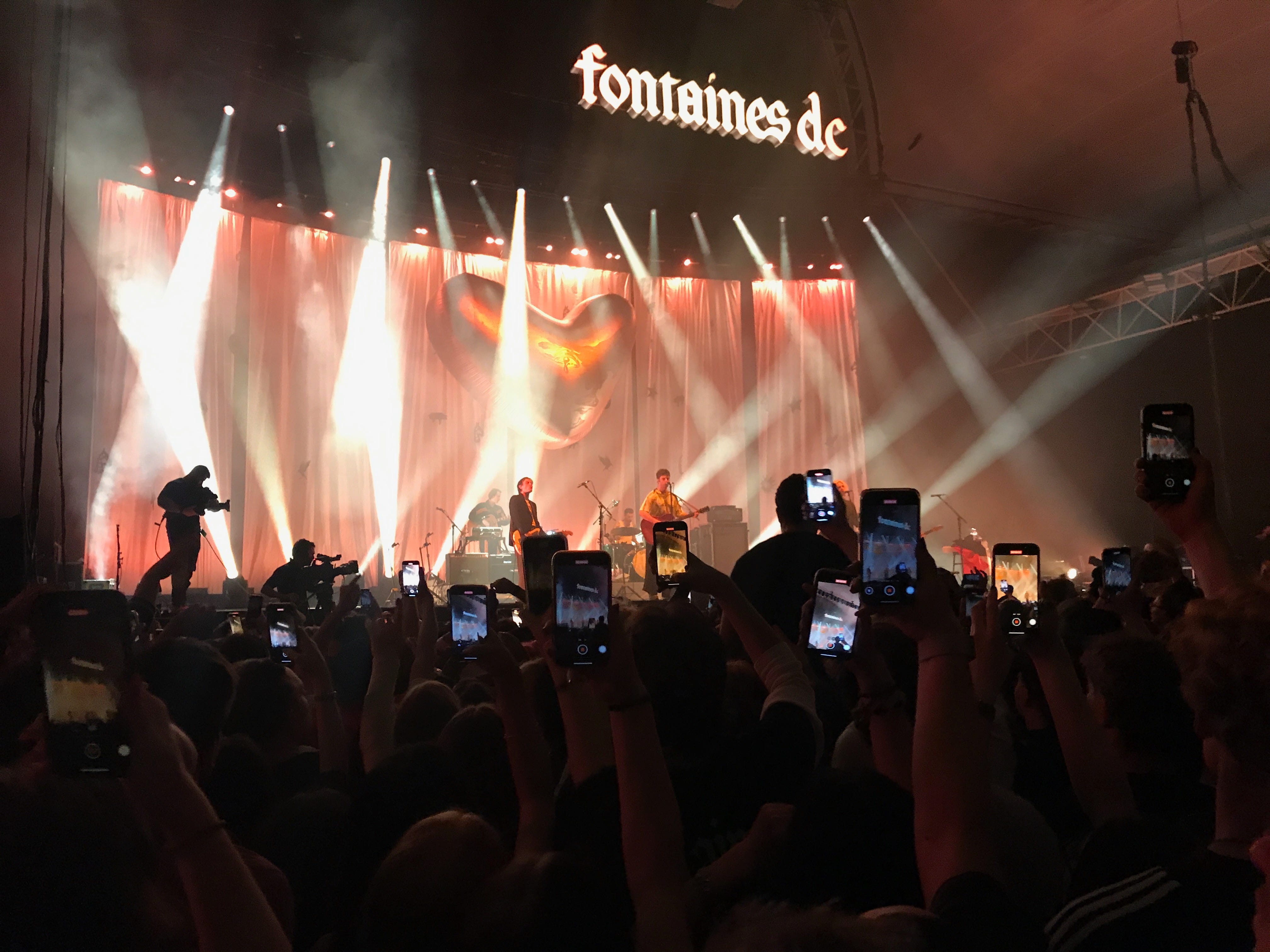
Love took me to the euphoria of live music. Being three sheets to the wind in a sea of people, with dulcet tunes blaring away, is the closest thing I get to a spiritual experience. For me, it’s the intersection of artistic expression, living in the moment, and friendship. Obviously, these things were better in the 90s when mobile blowers weren’t around. But Fontaines DC at the Ally Pally is still an abiding memory.
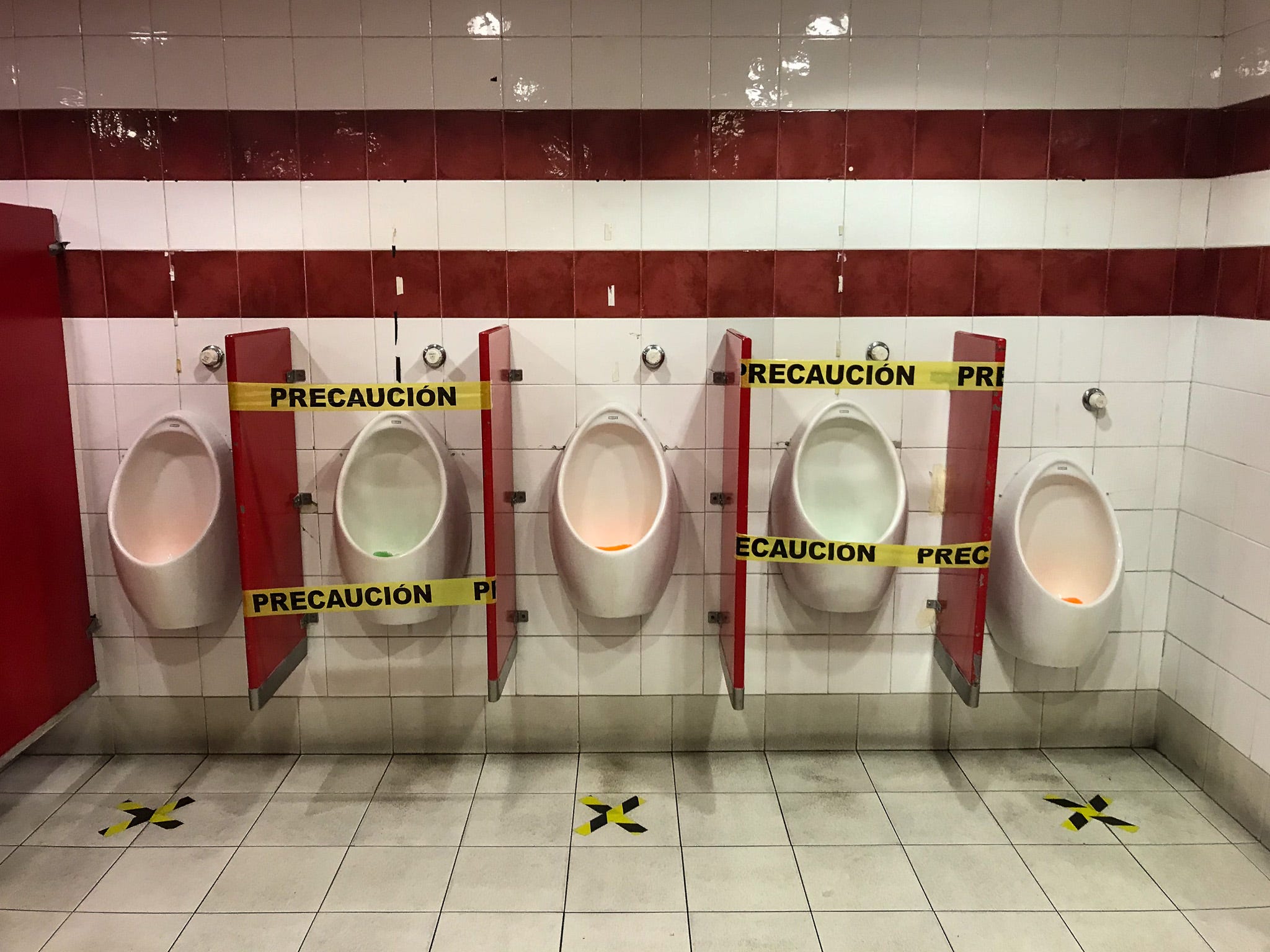
Hate took me to a time, not long ago, when governments removed what we previously considered our rights and promised to return them if we injected a drug of their choice. To say their coercive tactics were an affront to freedom, intellectual honesty, and trust is an understatement.2
A Micro-obsession
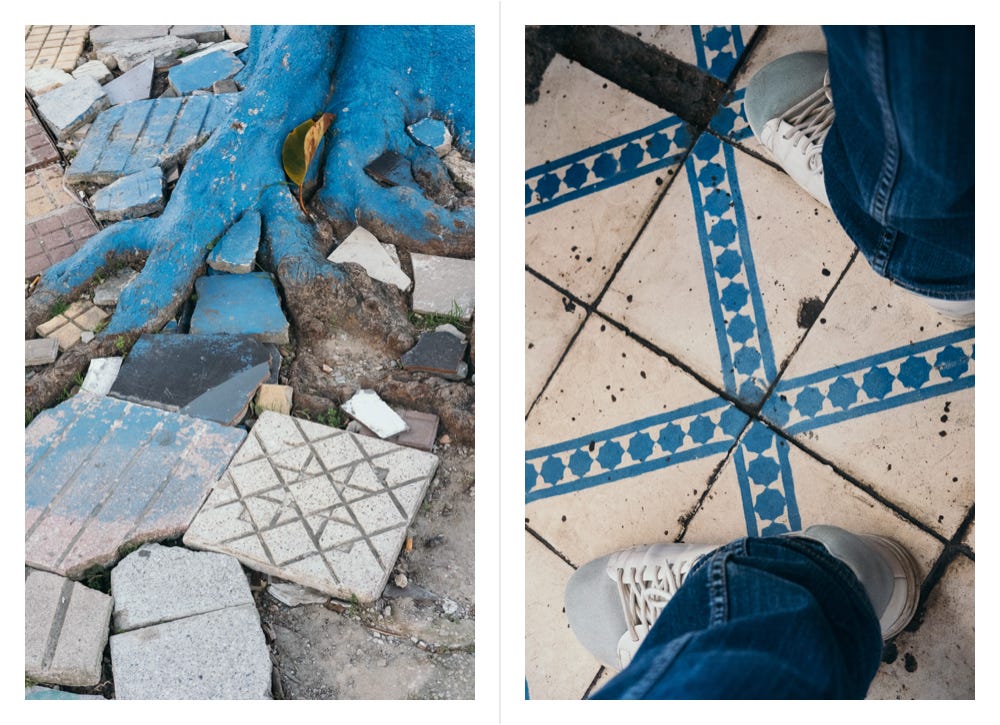
Then, we explored a micro-obsession. I chose the eight-pointed star. In Tangier, Morocco, where I was at the time, it’s the building block of the geometric patterns that proliferate daily life. It also harks back to a childhood interest I had in tesselation. A nod to my mathematical and orderly side, perhaps. I did some research. Islamic artists are forbidden from depicting prophets and religious figures. So patterns and geometry are a means of avoiding idol worship. In 2011, the artist John Squire used this idea to critique Western celebrity culture. I visited his London exhibition3, and share his disdain. While exploring this theme, it occurred to me that pattern recognition is a core component of artificial intelligence, a technology which futurists claim will have god-like powers. There’s a project in there somewhere.
Something Personal
Digging into the personal often acts as a creative catalyst. I thought about my time as a twin and the genetic bullet I’d dodged. Through no virtue on my part, I’d been spared the family curse and given years of life denied to my sister.4 Looking back, this feels like a turning point. Confucius said, “We have two lives, and the second begins when we realise we only have one.” That mental shift happened in me. Maybe it’s common for people in their forties. But what does it mean for my photography? For a while, I’ve been considering a project about my midlife attempt at reinvention. A work of auto-fiction, written in the third person, that draws on my journey from corporate treadmill to a photographic life of travel. The transformative opportunity of middle age, and the realisation, often credited to Terence McKenna, that if you don’t have a plan, you will become part of someone else’s.
What of it?
When all said and done, Erik gave me a compass, not a map. A direction in which to go, not a route to follow. For contemporary artists, the idea is paramount. So, hone it in the backyard until it can withstand criticism and make sure to include a piece of yourself. Art, when done well, is intuitive and conveys a certain friction. Contrary to what some people think, the opposite of love is not hate, it’s indifference - and that truism is relevant because if no one hates your work, no one loves it. Not that we should court controversy or be contrarian for the sake of it. It’s more a case of avoiding the mediocre, recognising that we can’t please everyone and understanding that no reaction is the worst reaction of all.
Next up, curator Marina Paulenka5 and “Knowing The Industry”.
Website: erikkessels.com (Erik Kessels)
My Previous Blog: Never Mind The Jollop (2021)
My Previous Blog: Same Same But Different (2016)
Curator: Marina Paulenka (on Instagram)