
Red Thread
Expanding the Boundaries of Documentary Photography

For those who want to follow along with my course in New Documentary Photography, this is part 2 of 10.
Another month, another subject. This one was titled Expanding the Boundaries of Documentary Photography. Our instructor was Federico Clavarino1, an Anglo-Italian photographer who works primarily in book form. Through multi-layered and non-linear narratives, Federico draws from history, literature and the personal to create a sense of intrigue. After becoming acquainted with his back catalogue, we took a closer look at Ghost Stories (2017-2021), a project based around the idea that the places we inhabit might have been a theatre for events we know nothing about. Understanding them means digging below their functional exterior to see what they might reveal. And to understand a place fully, we must leave.

Ghost Stories2 is rooted in the Frioul archipelago, a group of four islands off the coast of Marseille. The book weaves together three apparently unrelated events: the imprisonment of Edmond Dantès (the protagonist in The Count of Monte Cristo by Alenxandre Dumas), the arrival of the first European rhinoceros, and the disappearance of French aviator and writer Antoine de Saint-Exupéry. In doing so, Federico shows how history and fiction interconnect through space and memory. And with a rambling quality that has been compared to the W.G. Sebald novel The Rings of Saturn (1995), these stories take him away from the archipelago to Paris, London, Morocco and elsewhere.3
Our task was to choose a place from our daily lives that might reveal similar untold stories and connections. And after observing it closely and studying its history, we were to search for a “fil rouge” from which to pull. This French expression translates to "red thread" and means central theme, unifying concept, or guiding principle that connects and gives coherence to the different elements within a narrative.
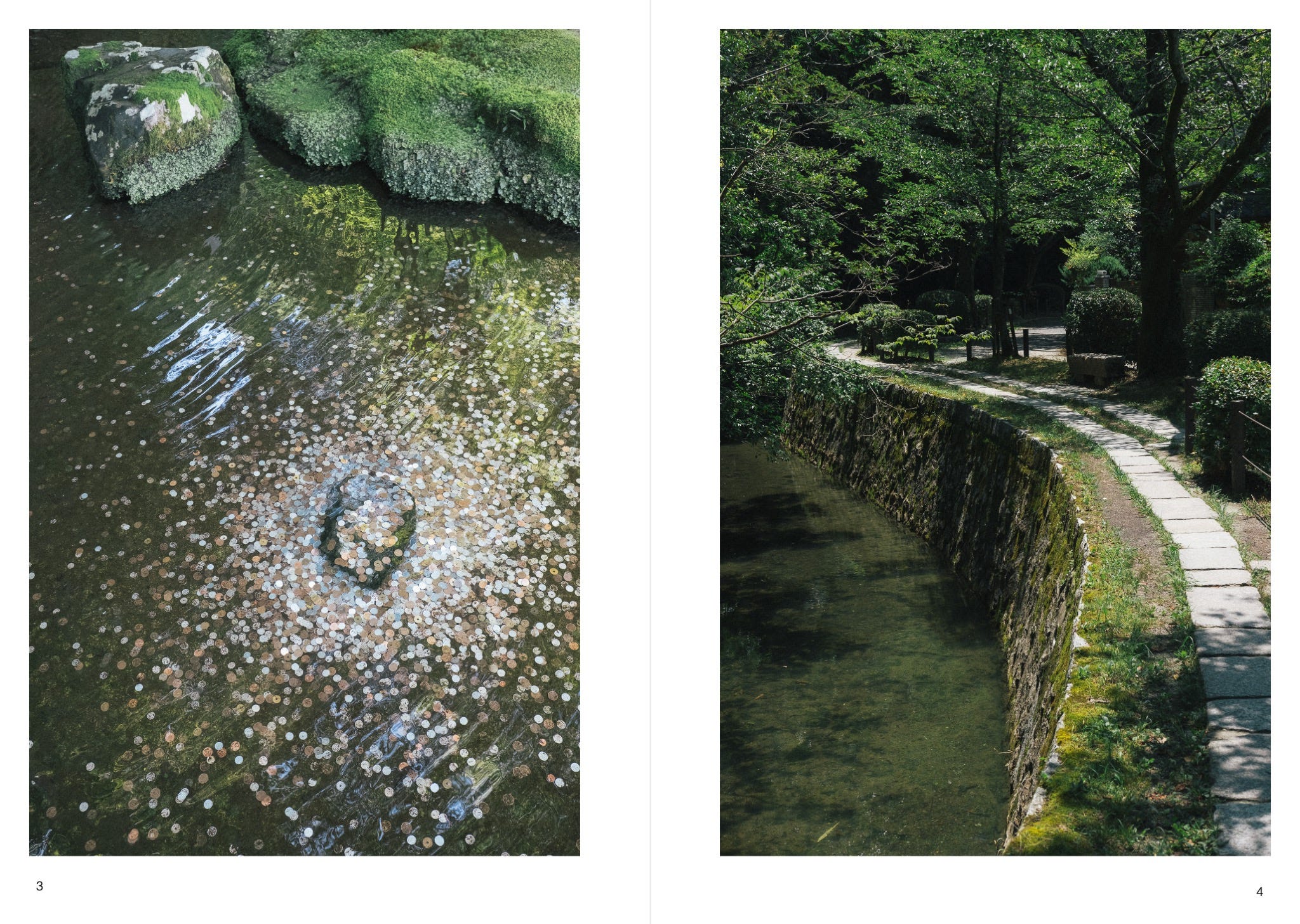

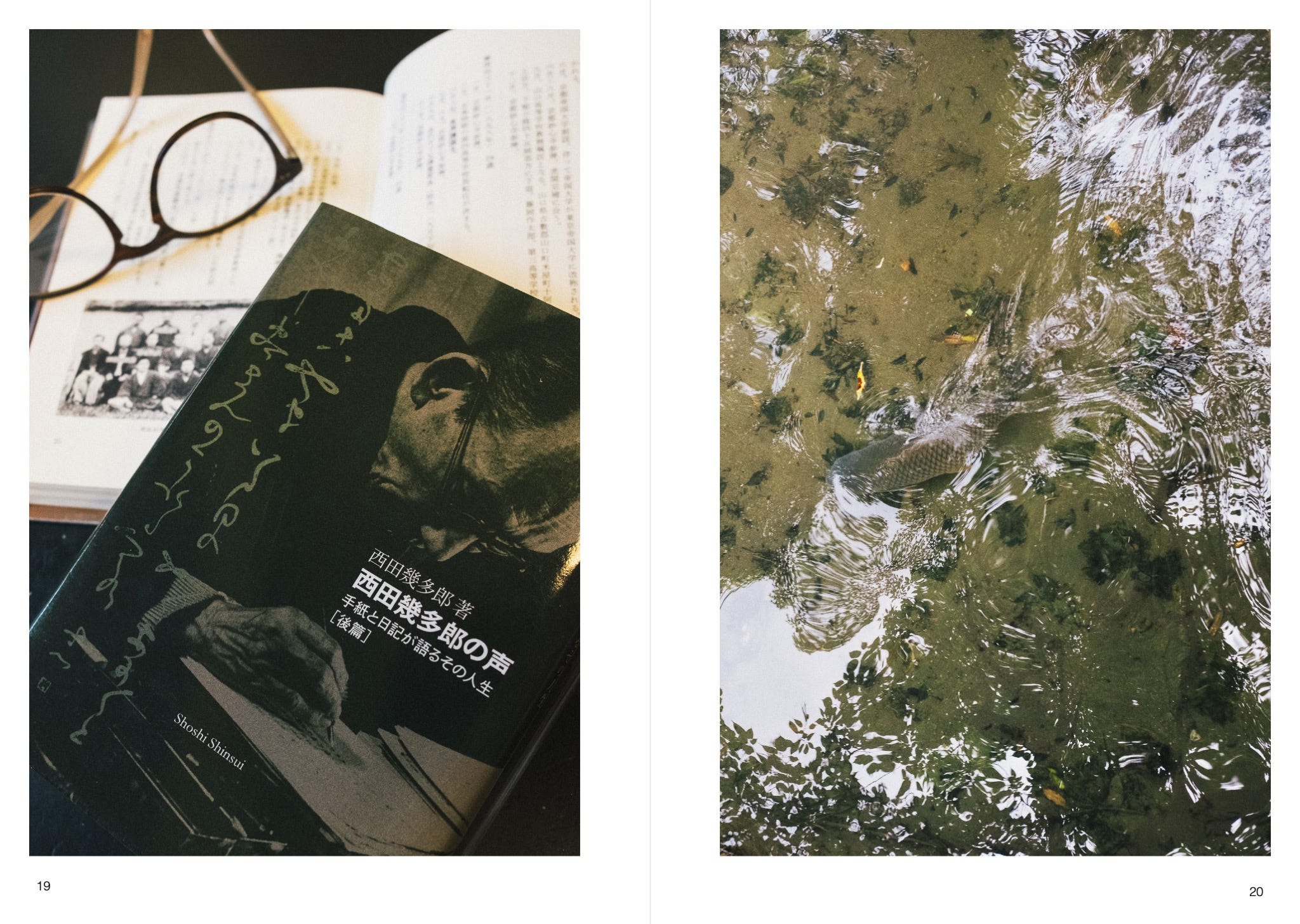
With Kyoto on my immediate horizon, I knew my place would be somewhere in Japan’s ancient capital. Spoilt for choice, my instincts drew me to Tetsugaku No Michi (in English, that’s The Philosopher's Path), a scenic pedestrian footway along a tree-lined canal. The route got its name via Japanese philosopher Kitarō Nishida (1870-1945), founder of the Kyoto School of Philosophy. Nishida would take the path on his daily commute, sometimes stopping to meditate or ponder complex philosophical problems. His work and teachings combined Western rationalism with moral insights from Eastern cultural traditions. He was interested in the dynamic tension of opposites. For Nishida, contradictions were not problems to be solved. Instead, he regarded the interplay of opposing forces as a fundamental aspect of reality.
With my interest in philosophy rekindled, I looked for more stories. I recalled a scene in the Christopher Nolan film Oppenheimer (2023)4, where one man's sentimental flashback spared Kyoto from the atomic bomb. After reminiscing about his honeymoon in the city, US Secretary of War Henry Stimson removed it from their list of targets. A move that left Kyoto, and all its history and cultural significance, intact. And made a postwar reconciliation more possible. Earlier that same summer, a seventy-five-year-old Kitarō Nishida departed this mortal coil, leaving us to mull over his philosophy of contradictions.
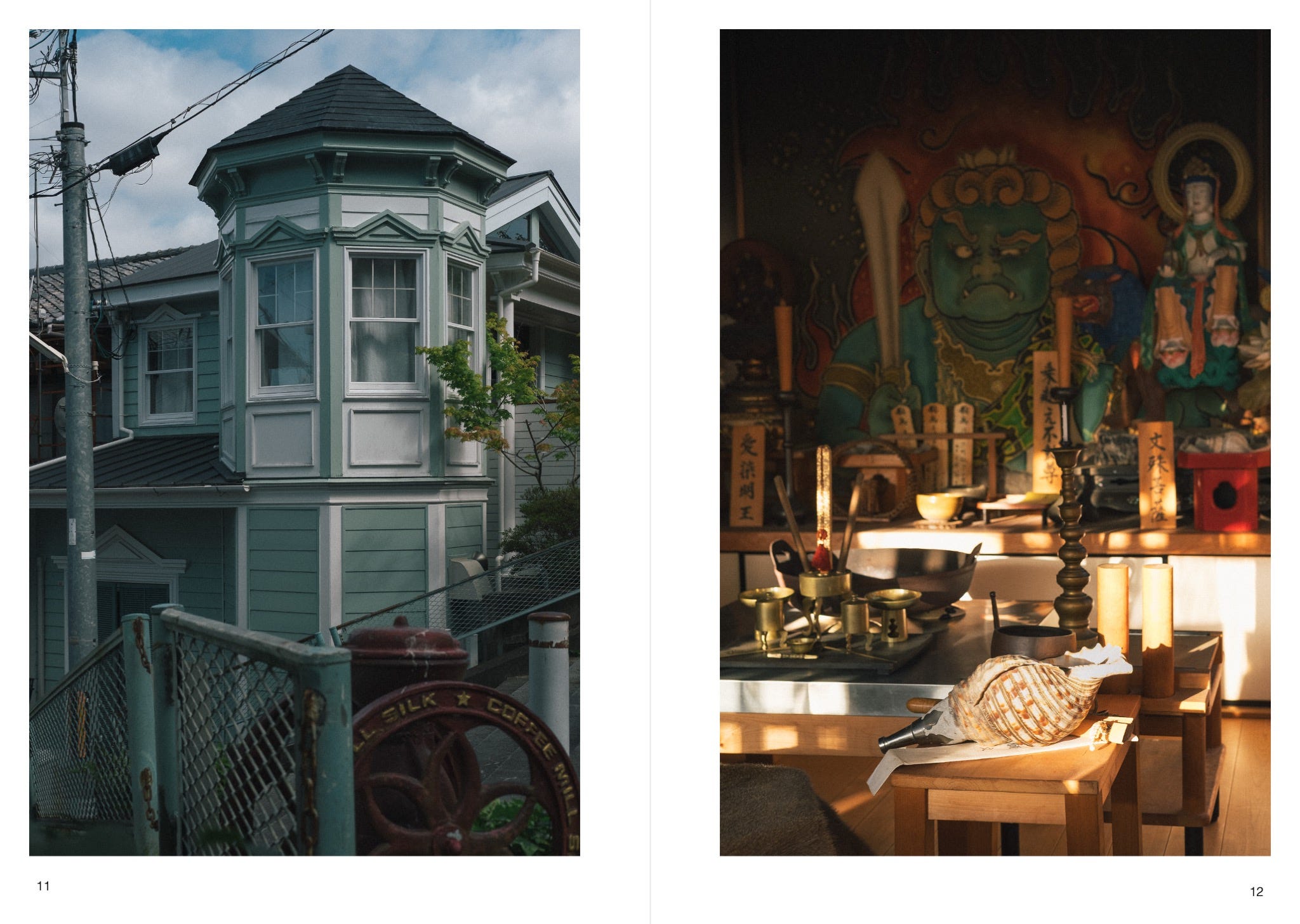
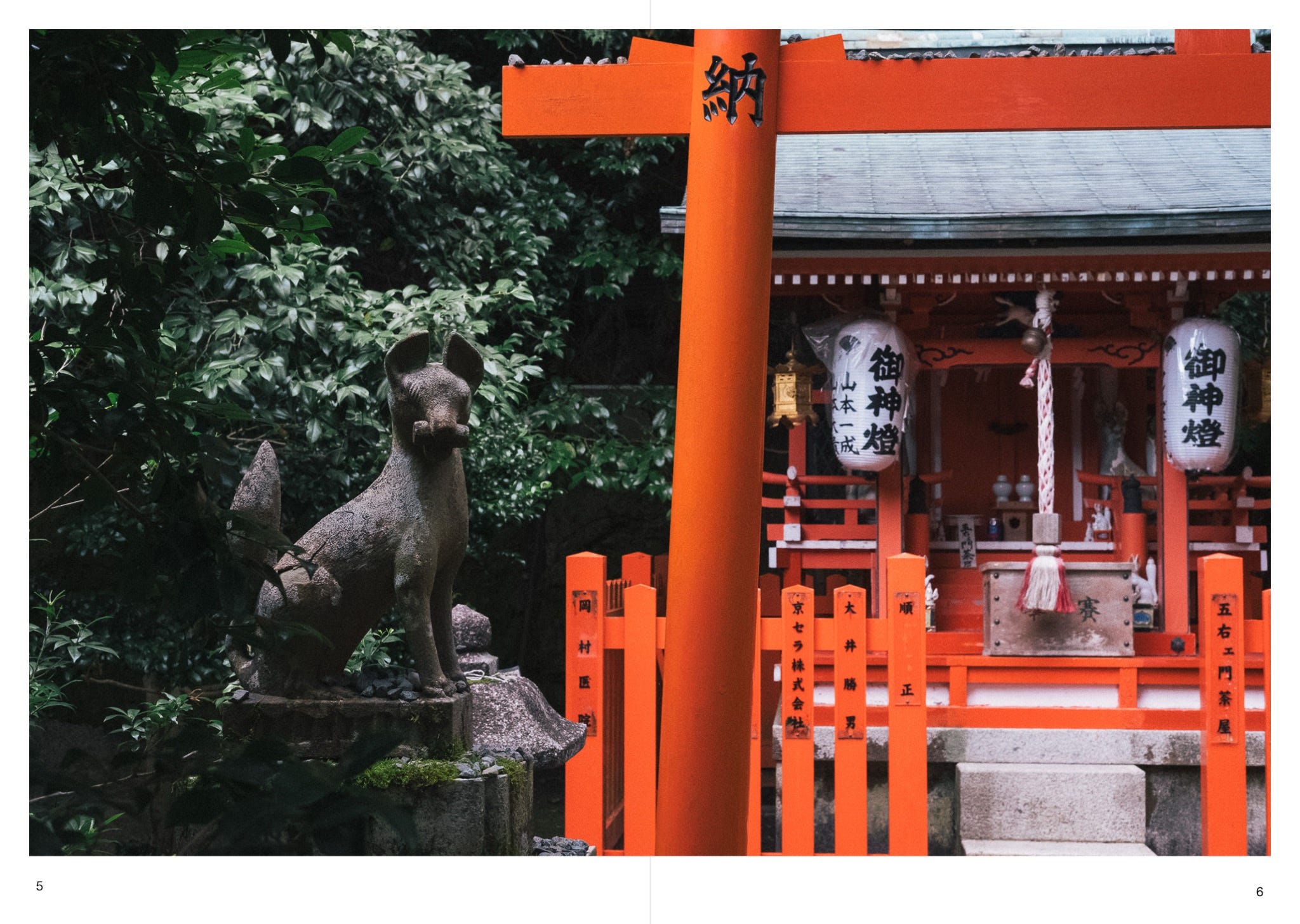
It was with these two stories in mind that I started taking pictures. I was intrigued by the presence of love and war in Stimson's decision-making and the compatibility of Eastern and Western values in Nishida's philosophy. Maybe contradiction could be my fil rouge. The canal and footpath were my obvious first steps. And the nearby Shinto shrines and Buddhist temples were next. While sitting in a café having coffee with the missus, she noticed a lamp resembling a mushroom cloud. And after photographing a boy on the riverbank, I was reminded of the 1991 song Everywhere5 by the English singer Billy Bragg, especially the rhetorical question in the last verse.
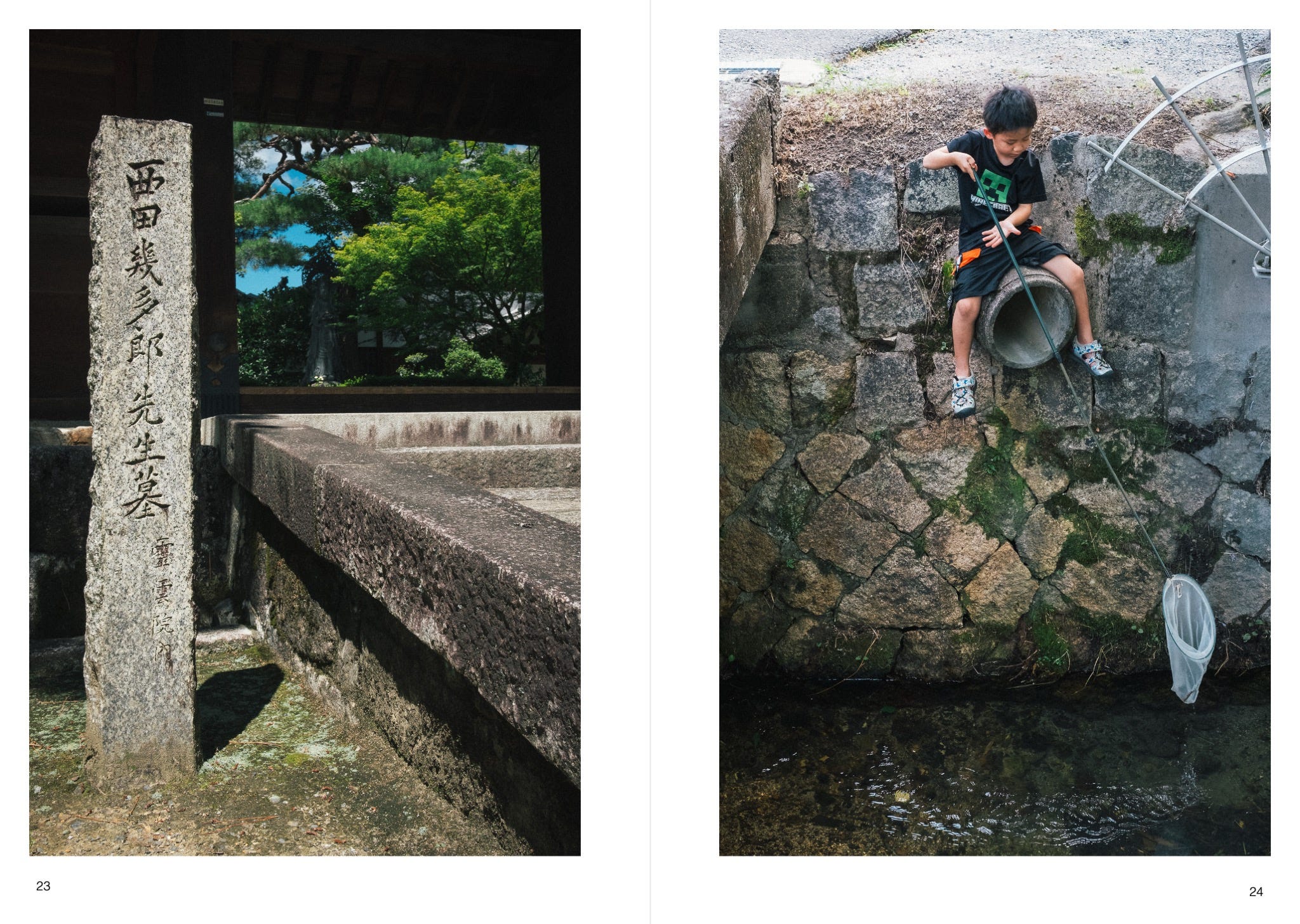
For the uninitiated, Everywhere was written by Americans Sid Griffin and Greg Trooper, and tells a heartbreaking tale of friendship, ruined lives, and the internment of Japanese Americans during World War 2. That's one of the things I like about this approach. It allows me, as a photographer, and you, as a reader, to travel in space and time through memory and popular or not-so-popular culture.
Until now, I’ve adopted a journalistic mindset, which causes me to over-explain things. Both photographically and in my essays. Knowing what I know now, this feels like spoon-feeding. With a multi-layered narrative, images and text should say enough, but not too much. Instead, they combine to give a deliberate sense of incompleteness and encourage readers to construct meaning from the gaps. Maybe that's what I like most about this method of storytelling. By prompting curious participation instead of passive admiration, readers return time and again and discover something new on each occasion.
Also, it gives me a method for creating a long-term project that spans different locations and countries, which, as a “nomadic” photographer, is very handy. Pulling that red thread can uncover stories and reveal connections that take me beyond my original starting point. And because the problems of the present are often rooted in the decisions of the past, those connections may have modern-day relevance. An ingredient that could bring purpose and impact to a project.
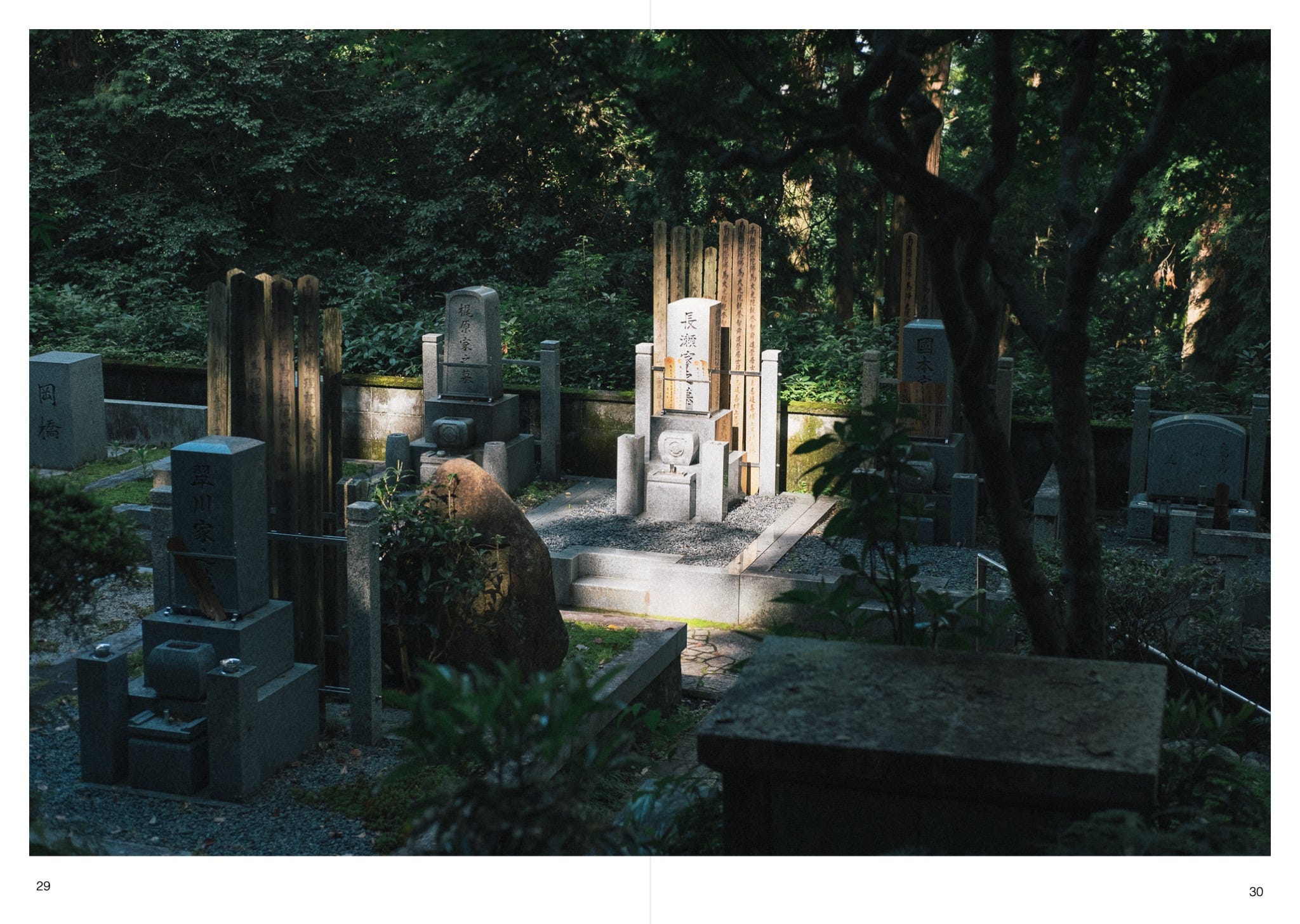
Words are another consideration. Text and photographs can be deployed as dual narrators to blur the lines between history, imagination, and fiction. This evokes an open-ended and subjective reading experience. In the case of Ghost Stories, relevant fragments of information get divulged in a third-person narration that intersperses the photographs and through a notes section at the back. Then, like Columbo, the reader is left to piece it all together.
My effort was titled Distant Echoes, a heading that points to ... well, I'll let you figure it out. Some of the pages are included in this post. But a project knocked up in a few weeks can only be a base on which to build. More time is required to refine it, work on those layers of meaning and see where else that red thread might take me.
So, it was an inspiring month. Clavarino has a new fan. Next up, Magnum photographer Lua Ribeira and a subject titled New Journalism.
Website: federicoclavarino.com (Federico Clavarino)
Video: Ghost Stories by Federico Clavarino (Photobookstore UK)
Film: Oppenheimer (2023) directed by Christopher Nolan (Kyoto scene is at 1:41:05)
Song: Everywhere by Billy Bragg (1991) (written by Greg Trooper, Sid Griffin)
Thank you for these posts on your course, Ben! So generous of you and much appreciated and enjoyed. I'm definitely not the only one finding them stimulating and inspiring. 💪👍👌
I've always been fascinated by the history of places that look forgotten, ignored or repurposed. Now I know it has a name. Great post, Ben. Keep them coming.